Break Free From Avoidant Attachment Parenting Styles Now Forever
Breaking free from avoidant attachment parenting styles can be a truly transformative experience for both you and your child, allowing you to build a stronger, more loving relationship and create a supportive environment that fosters healthy growth and development. By recognizing the signs of an avoidant attachment style and making a conscious effort to change your approach, you can help your child feel more secure and valued, leading to improved emotional regulation, social skills, and overall well-being. As you embark on this journey of self-discovery and parenting transformation, you'll not only be enhancing your child's life but also cultivating a deeper understanding of yourself and your own emotional needs, ultimately leading to a more fulfilling and meaningful relationship with your child.
Discover How An Avoidant Attachment Style Affects Your Relationships And Learn To Break Free From Emotional Barriers
Learn how to recognize the signs of an avoidant attachment style in yourself or others to improve your relationships and overall well-being by understanding the underlying causes and effects of this attachment pattern. Take the first step towards building healthier and more fulfilling connections by exploring the ways in which an avoidant attachment style can impact your daily interactions and relationships with others
Characteristics of Avoidant Attachment Style
People with an avoidant attachment style often struggle with intimacy and emotional connection in their relationships due to a deep-seated fear of rejection or abandonment which can stem from childhood experiences or past traumas that have led to difficulties in trusting others and forming healthy attachments. This attachment style can manifest in different ways including a tendency to pull away from partners or avoid emotional conversations altogether in an effort to maintain a sense of independence and control. Individuals with an avoidant attachment style may also have a hard time opening up to their partner or expressing their emotional needs in a way that can lead to feelings of isolation and disconnection

Learn How to Break Free from Avoidant Attachment Patterns that Ruin Your Relationships
Learn how to recognize the signs of avoidant attachment in yourself and others to improve your relationships and overall well-being. Take the first step towards building stronger connections by understanding the root causes of avoidant attachment and how it impacts your ability to form intimate and meaningful relationships with others
Recognizing the Impact of Avoidant Attachment on Relationships
Understanding how avoidant attachment affects your relationships can be a crucial step in building stronger connections with others and improving your overall well-being by recognizing the patterns and behaviors that may be holding you back from forming meaningful bonds with others. Avoidant attachment can manifest in different ways such as fear of intimacy or emotional unavailability which can lead to feelings of isolation and disconnection in your personal and professional relationships. By acknowledging and working through these attachment issues you can develop healthier relationship habits and cultivate more fulfilling connections with others
Learn How to Overcome Avoidant Attachment Style and Improve Your Relationships Today
Learn how to recognize the signs of avoidant attachment style in yourself and others to improve your relationships and overall well-being by understanding its causes and effects. Take the first step towards healing and developing a more secure attachment style by seeking professional treatment and working through your emotional baggage to form deeper connections with others
Understanding Avoidant Attachment Style Disorder
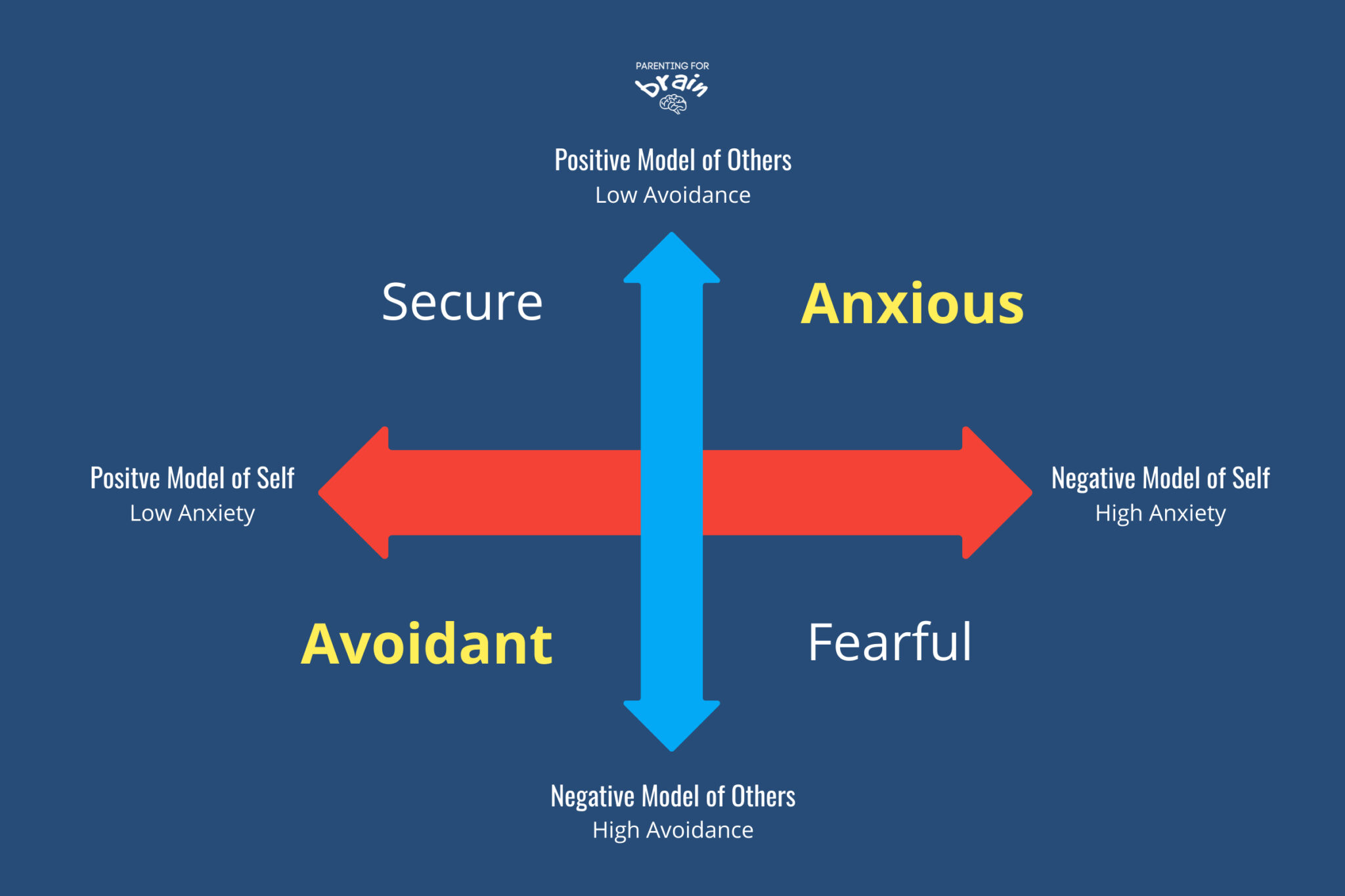
People with an avoidant attachment style often struggle to form intimate relationships due to deep-seated fears of rejection and emotional vulnerability which can stem from childhood experiences such as neglect or inconsistent parenting Avoidant attachment can manifest in different ways including dismissive avoidant and fearful avoidant with distinct signs and effects on mental health and relationships Effective treatment for avoidant attachment typically involves a combination of self-reflection and therapy to address underlying issues and develop healthier attachment patterns
Fix Your Fear Of Intimacy And Learn To Love Without Anxiety Now
Take a closer look at how avoidant attachment is secretly controlling your relationships and preventing you from forming deep connections with others. Understanding the root causes of your avoidant attachment can be the key to breaking free from the cycle of emotional unavailability and unlocking a more fulfilling life
Understanding Avoidant Attachment Style
People with avoidant attachment style often struggle with intimacy and emotional connection in their relationships due to deep seated fears of rejection and abandonment which can stem from childhood experiences and negatively impact their ability to form healthy attachments with others. Avoidant attachment can manifest in different ways including dismissive avoidant and fearful avoidant with each type presenting unique challenges and obstacles to forming and maintaining meaningful relationships. Individuals with avoidant attachment may benefit from seeking professional help to work through underlying issues and develop more secure attachment patterns

Learn About Avoidant Attachment And How To Overcome It Now
Learn how to recognize the signs of avoidant attachment and take the first step towards healing and forming healthier relationships with others by understanding the underlying causes and treatment options available to you Develop a deeper understanding of avoidant attachment definition and its impact on your daily life and relationships to improve your overall well being and move forward with confidence and self awareness
Understanding Avoidant Attachment Disorder
Avoidant attachment is a type of attachment disorder characterized by a person avoiding intimacy and emotional connection with others due to fear of rejection or abandonment which can stem from childhood experiences or past relationships Individuals with avoidant attachment often struggle with trust and vulnerability leading to difficulties in forming and maintaining healthy relationships Treatment for avoidant attachment typically involves therapy and self-reflection to address underlying issues and develop healthier attachment patterns

Learn About Avoidant Attachment Style Now And Discover How It Affects Your Relationships
Take a closer look at your relationships to understand how avoidant attachment may be affecting your ability to form intimate connections with others and recognize the patterns that are holding you back from experiencing true emotional closeness. Learn to identify the signs of avoidant attachment in yourself and others to break free from the cycle of emotional unavailability and develop a more secure and fulfilling attachment style that allows you to build stronger and more meaningful relationships
Understanding Avoidant Attachment Style
People with avoidant attachment often struggle to form intimate relationships due to deep seated fears of rejection and abandonment which can lead to a pattern of emotional unavailability and isolation in their personal lives. Avoidant attachment can stem from childhood experiences where emotional needs were consistently disregarded or dismissed by primary caregivers resulting in difficulty trusting others and forming healthy attachments as adults. Individuals with avoidant attachment may come across as aloof or distant to others which can make it challenging for them to maintain meaningful relationships and achieve emotional fulfillment

Learn About Anxious Avoidant Attachment Style Now
Learn how to recognize the signs of anxious avoidant attachment in your relationships so you can take steps to build healthier connections with others Understand the root causes of anxious avoidant attachment and how it affects your daily life to start making positive changes and improving your overall well-being
Understanding Anxious Avoidant Attachment Style
Anxious avoidant attachment is a type of attachment style characterized by a deep-seated fear of rejection and intimacy leading to emotional unavailability and a tendency to pull away from relationships people with anxious avoidant attachment often struggle with feelings of insecurity and low self-esteem which can manifest in self-sabotaging behaviors and a pattern of inconsistent communication in their relationships they may have difficulty trusting others and forming healthy emotional bonds due to past experiences of trauma or neglect this attachment style can be challenging to overcome but recognizing the underlying causes and seeking support from loved ones or a therapist can help individuals develop a more secure attachment style and cultivate healthier relationships
